Top 10 Driving Lights for Ultimate Visibility in All Conditions?
Driving lights play a crucial role in enhancing visibility on the road. When navigating through challenging weather conditions, the right driving light can make a significant difference. Whether you face fog, rain, or darkness, having powerful lighting is essential.
In this guide, we delve into the top 10 driving lights that promise unmatched performance. Each product stands out for its unique features and reliability. Many drivers underestimate how crucial quality driving lights are for safety. Poor visibility can lead to dangerous situations, and that’s where choosing the right lights becomes vital.
Investing in quality driving lights not only improves visibility but also boosts your confidence on the road. Understanding the specifications and benefits of each model is key. As technology progresses, new designs continue to emerge, offering better solutions. Let’s explore these options for safer and clearer driving experiences.

Understanding the Importance of Driving Lights for Visibility
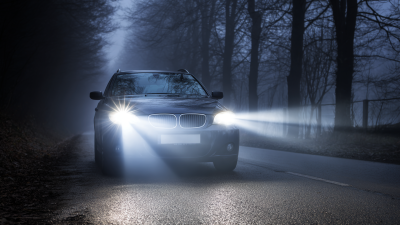
Driving lights play a critical role in enhancing visibility. They illuminate dark roads, improving safety during nighttime drives. In adverse weather, such as rain or fog, the right lights cut through the gloom. This is essential for safe navigation and avoiding accidents. Understanding their importance is vital for every driver.
Different driving conditions require various types of lights. Some drivers opt for LED lights due to their brightness and efficiency. Others may choose halogen options for their warm glow. Each type serves a purpose, but not all vehicles are equipped with the best options. Regularly assessing your vehicle's lighting system can reveal gaps in visibility.
Many drivers overlook the maintenance of these lights. Dirty or misaligned lights can drastically reduce effectiveness. Cleaning filters and ensuring proper angles should be routine tasks. Investing time in checking your driving lights can prevent hazards. Ultimately, the goal is to ensure that your path is clearly lit, no matter the situation.
Top 10 Driving Lights for Ultimate Visibility in All Conditions
| Model |
Type |
Brightness (Lumens) |
Beam Pattern |
Weather Resistance |
Price Range |
| Model A |
LED |
3000 |
Spot |
IP68 |
$100 - $150 |
| Model B |
Halogen |
1500 |
Flood |
IP65 |
$80 - $120 |
| Model C |
Xenon |
2500 |
Combination |
IP66 |
$120 - $200 |
| Model D |
LED |
4000 |
Spot |
IP68 |
$150 - $250 |
| Model E |
Halogen |
1200 |
Flood |
IP65 |
$70 - $110 |
| Model F |
Xenon |
2000 |
Combination |
IP66 |
$100 - $190 |
| Model G |
LED |
3500 |
Spot |
IP68 |
$200 - $300 |
| Model H |
Halogen |
1800 |
Flood |
IP65 |
$90 - $130 |
| Model I |
Xenon |
2200 |
Combination |
IP66 |
$130 - $210 |
| Model J |
LED |
5000 |
Spot |
IP68 |
$250 - $350 |
Types of Driving Lights: Overview of Options Available
When it comes to enhancing visibility while driving, understanding the different types of driving lights is crucial. There are several options available, each designed for specific conditions. A popular choice is LED light bars, known for their brightness and efficiency. They often come in various lengths, making them adaptable to different vehicle types.
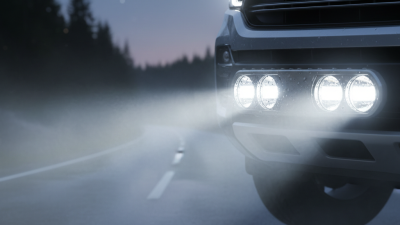
Halogen lights remain a common option due to their affordability. They provide decent illumination but may not last as long as their LED counterparts. Fog lights are another important type. These are designed to cut through fog, rain, or snow. Their improved beam pattern helps reduce glare, enhancing safety on the road.
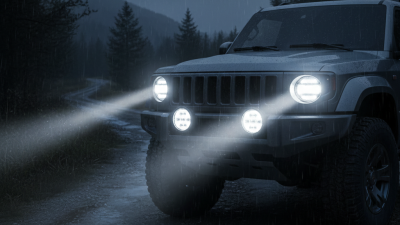
For off-road enthusiasts, spotlights and floodlights are vital. Spotlights provide focused light for long-range visibility, while floodlights offer wider coverage. Each type has its pros and cons. It's essential to assess your driving conditions and choose accordingly. The right lighting can make a significant difference in safety and comfort.
Key Features to Look for in High-Quality Driving Lights
When choosing driving lights, look for essential features that enhance visibility. Brightness is crucial; higher lumens mean better illumination. Consider the beam pattern. A focused beam can light the road ahead more effectively. Adjustable mounting options allow easy customization for different driving conditions.
Tips: Assess your needs. Check local regulations regarding light intensity. Not all powerful lights are street legal. Durability matters, especially for off-road enthusiasts. Look for weather-resistant materials to ensure longevity.
Heat dissipation is also vital. Good heat management prevents lights from overheating. This extends the lifespan of the bulbs. Be cautious with installation. Improper fitting can lead to misalignment.
One common mistake is overlooking light color. Bright white lights improve contrast in various conditions. However, some drivers prefer yellow lights in foggy weather. Each choice has its advantages and drawbacks. Consider what works best for your environment.
Top 10 Driving Lights for Ultimate Visibility in All Conditions
This chart displays the lumen output, beam distance, and wattage of various high-quality driving lights. These features are crucial for ensuring maximum visibility while driving in diverse conditions.
Top Ten Products: A Comprehensive Review and Comparison
Driving lights are essential for enhancing visibility on the road. When conditions worsen, having the right lighting can make all the difference. Evaluating the top ten driving lights involves looking at their brightness, beam pattern, and durability. Each product has unique strengths, ideal for various driving scenarios.
In our comparison, we focus on features that matter most. For instance, some lights offer superior brightness but may consume more power. Others provide a wider beam spread, which improves peripheral visibility. Additionally, the materials used can impact longevity; some lights are designed for rugged environments, while others suit urban settings better.
Feedback from users reveals that not all lights perform equally in adverse weather. Some drivers reported a lack of adequate illumination in heavy rain. Others found that specific models were less reliable over time. These insights highlight the importance of quality and user experience in choosing the right driving lights. Exploring these reviews can help you make an informed choice.
Tips for Proper Installation and Usage of Driving Lights
When it comes to driving lights, proper installation and usage are essential for maximizing visibility. Studies show that well-installed driving lights can enhance visibility by up to 200%. This improvement is crucial in adverse weather and nighttime driving. However, improper installation can lead to inefficiencies or glare, potentially endangering yourself and others on the road.
One tip for installation is to ensure the lights are securely mounted. They should be positioned at an appropriate height and angle to illuminate the road without blinding oncoming drivers. Adjustments might be necessary to find that sweet spot. Always check the manufacturer's guidelines for optimal settings. Another important aspect is wiring; ensure all connections are insulated and protected against moisture. This protects the electrical system and improves longevity.
Regular maintenance is key to performance. Clean the lenses frequently to avoid a dull appearance that can reduce brightness. It’s advisable to periodically test the lights to ensure they are functioning correctly. Even a small issue can lead to decreased visibility. Reflect on your setup; if you notice a significant drop in light output, it might indicate a deeper problem that deserves attention.