Top Quality Rgb Rock Lights for Global Buyers?
The popularity of RGB rock lights has surged in recent years, driven by the growing interest in automotive customization. As per industry reports, the global LED lighting market is projected to reach $80 billion by 2026, with RGB technology playing a key role. Consumers are seeking innovative ways to enhance their vehicles, and RGB rock lights offer versatility and dynamic displays.
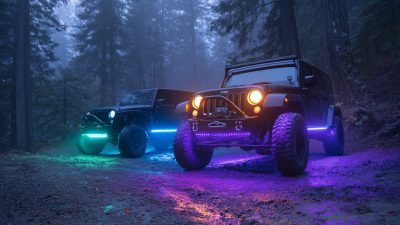
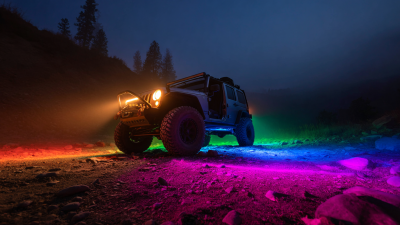
RGB rock lights are not merely aesthetic additions; they serve practical purposes as well. Lighting can improve visibility during nighttime off-roading. However, the market is saturated with various options, and buyers must discern quality. Reports indicate that lower-quality lights may lack durability and brightness, leading to customer dissatisfaction. It's essential to invest in reliable brands that prioritize performance.
Sustainability concerns also emerge in this space. Many manufacturers are exploring eco-friendly materials and energy-efficient designs. Buyers should be aware of these shifts while evaluating their options. As the demand continues to grow, understanding the nuances of RGB rock lights is crucial to making informed decisions. The evolving technology presents both opportunities and challenges for manufacturers and consumers alike.
Understanding RGB Rock Lights: Features and Benefits
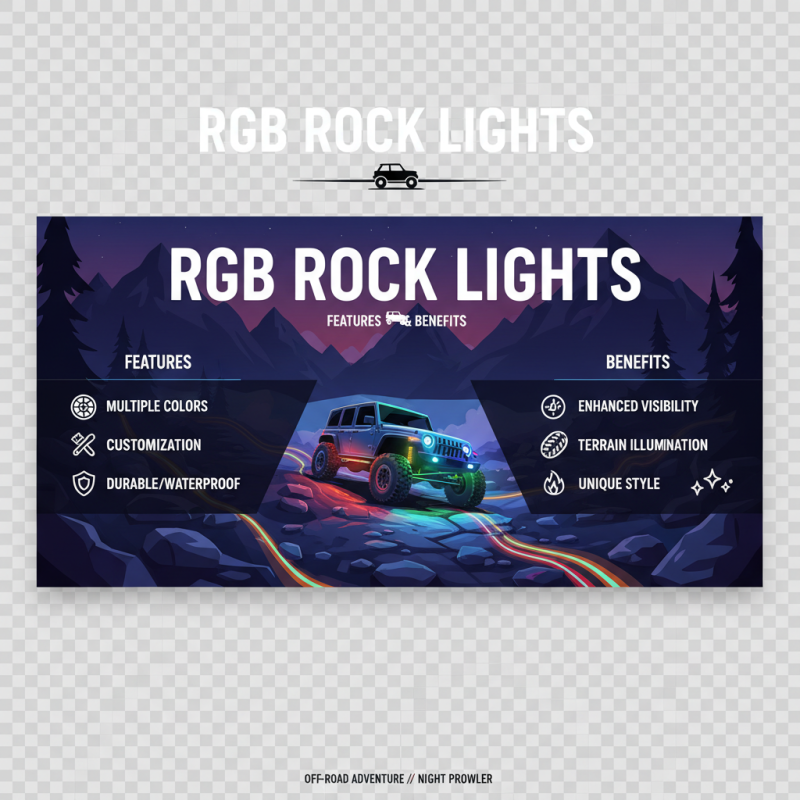
RGB rock lights are becoming popular among outdoor enthusiasts and vehicle lovers. These lights enhance visibility and style when driving off-road at night. They come with various features that make them appealing. Users can choose from multiple color options. The ability to change colors allows for customization based on personal preferences or occasions.
When selecting RGB rock lights, consider brightness and durability. High-quality lights can withstand harsh weather conditions. Look for options with strong housing materials that resist dust and water. This ensures that the lights last longer. A reliable light can enhance safety on nighttime adventures and add aesthetic appeal.
Tips: Always check product specifications. Some lights may not be as bright as advertised. Ensure they meet your lighting needs. Installation is crucial; poorly installed lights can malfunction. Take your time to install them correctly. Also, read customer reviews for genuine feedback. This helps in making informed decisions.
Key Considerations for Selecting Top Quality RGB Rock Lights
When selecting RGB rock lights, certain key considerations come into play. First, quality of material is essential. Look for durable materials that resist wear and tear. Some lights are prone to fading or damage from extreme weather. It’s important to assess their water resistance rating. Lower ratings might lead to malfunction or short lifespan.
Another factor is color range and brightness. Vibrant colors enhance the visual appeal of your vehicle. However, not all lights achieve true RGB effects. Some may produce a washed-out look. Take the time to read reviews to understand user experiences.
Installation is often overlooked. Some rock lights are easy to set up, while others can be a hassle. Complicated wiring may lead to frustration. Researching installation tutorials can provide insight. Consider whether you have the right tools and skills. Overlooking this can result in extra costs or project delays.
Comparing Different Brands of RGB Rock Lights in the Market
When it comes to RGB rock lights, the market is diverse, offering various options for consumers. These lights have gained popularity due to their vibrant colors and customizable features. According to a 2022 market analysis, more than 60% of off-road enthusiasts consider RGB rock lights a must-have accessory.
Different brands vary significantly in terms of quality and durability. Some models claim to offer waterproof features and high luminosity. However, consumer reviews often indicate that not all brands deliver on these promises. A study published in the "Journal of Automotive Lighting" reported that around 40% of users faced issues with light longevity over time. This can lead to dissatisfaction among buyers, highlighting the importance of brand reputation and user feedback.
Moreover, installations can vary widely. Some brands provide straightforward setups that require minimal tools. Others may complicate the process, leading to frustration. Proper installation is crucial; research shows that improper setup can decrease lifespan by up to 30%. Thus, it is essential to consider both performance and ease of use when evaluating options. Informing oneself on these aspects can lead to better purchasing decisions in the long run.
Top Quality RGB Rock Lights Comparison
| Feature |
Option A |
Option B |
Option C |
| LED Count |
12 |
16 |
8 |
| Brightness (Lumen) |
1200 |
1500 |
800 |
| Color Modes |
16 |
20 |
10 |
| Remote Control |
Yes |
Yes |
No |
| Waterproof Rating |
IP68 |
IP67 |
IP65 |
| Warranty |
2 Years |
3 Years |
1 Year |
Installation Tips for RGB Rock Lights: A Step-by-Step Guide
Installing RGB rock lights can transform your vehicle’s look and enhance nighttime visibility. Start by choosing a safe, flat work area. Gather all necessary tools and ensure everything is within reach. A well-organized workspace will streamline the installation process. You’ll need mounting brackets, wires, and connectors. Make sure you have zip ties or electrical tape for securing cables.
Next, consider where to place the lights for optimal effect. Common locations include the wheel wells and undercarriage. Ensure these areas are clean and free from debris. Proper placement is crucial. It affects the final look and can protect the lights from road damage. Keep in mind that if you rush this step, the final result may not meet your expectations.
Connecting the lights requires attention to detail. Carefully follow the wiring diagram provided. Miswiring can lead to functionality issues. Also, double-check the power source before securing everything in place. A neat installation can prevent future troubleshooting. Finally, test each light before finishing up. This ensures they all work correctly. If a light malfunctions, review your connections. Apparent issues might require you to revisit previous steps.
Top Quality RGB Rock Lights: Brightness Levels
Maintaining and Troubleshooting Your RGB Rock Lights for Longevity
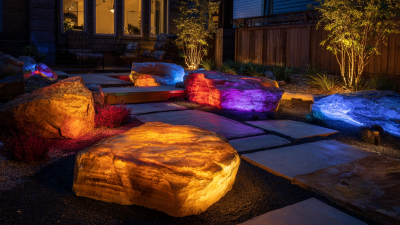
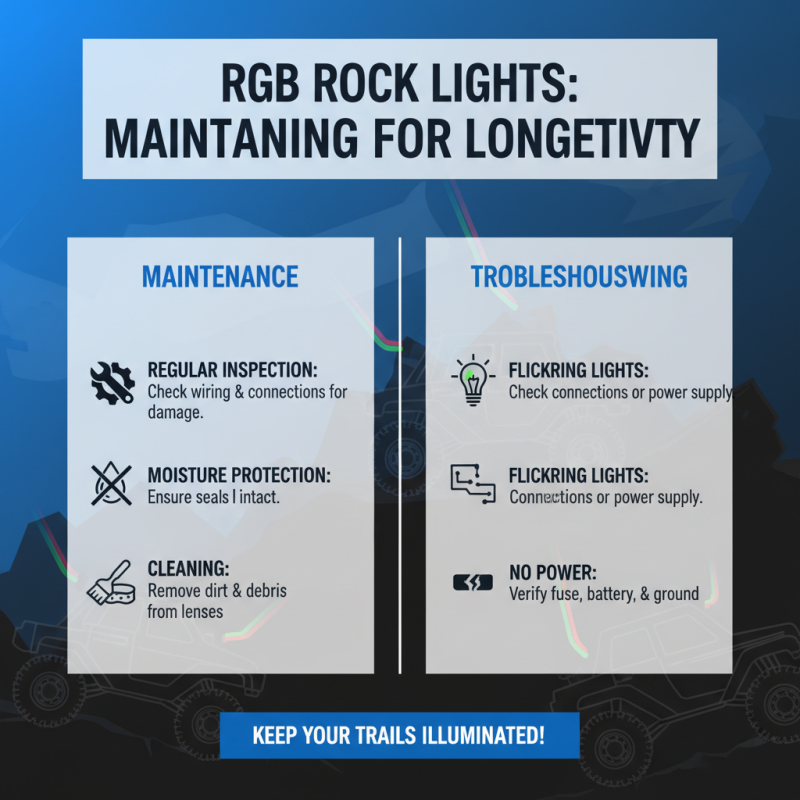
RGB rock lights can transform any outdoor environment. However, maintaining them properly is essential for longevity. Regularly inspect the wiring and connections to prevent damage. Moisture can cause serious issues, so check seals to ensure they are intact. If you notice flickering lights, it might indicate poor connections or a power supply issue.
Tips: Use silicone sealant to fix any leaks. This can help protect the lights from water damage.
Remember to clean the lights frequently. Dirt and grime can dull their brightness significantly. Use a soft cloth with mild soap to gently wipe the surfaces. Avoid abrasive materials that may scratch the lenses. If the lights fail to work, don’t panic. Often, it’s a simple fix. Check the fuse and replace it if necessary.
Tips: Keep spare fuses on hand for quick replacements. This can save you time and frustration.
Understanding common problems can help you troubleshoot effectively. If colors aren’t displaying correctly, resolution often lies in the controller settings. Consulting the user manual can provide more insight into specific errors. Regular attention is vital. Even small issues can grow if left unchecked.